Information technology in logistics
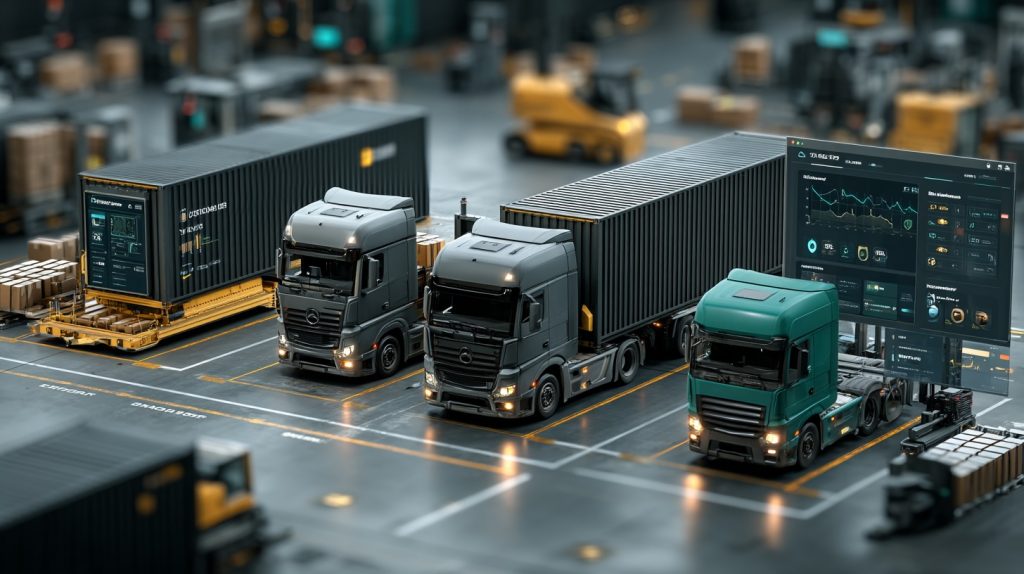
As supply chains grow more complex, customer expectations rise, and competition intensifies, companies are increasingly adopting automation, information technology in logistics, AI, and data analytics to maintain their competitive edge. Digital transformation makes businesses smarter, faster, and more reliable.
Modern information technologies in logistics: top 10
To help you adapt to rapidly changing market conditions, we’ve compiled the key trends that are optimizing and shaping the future of logistics.
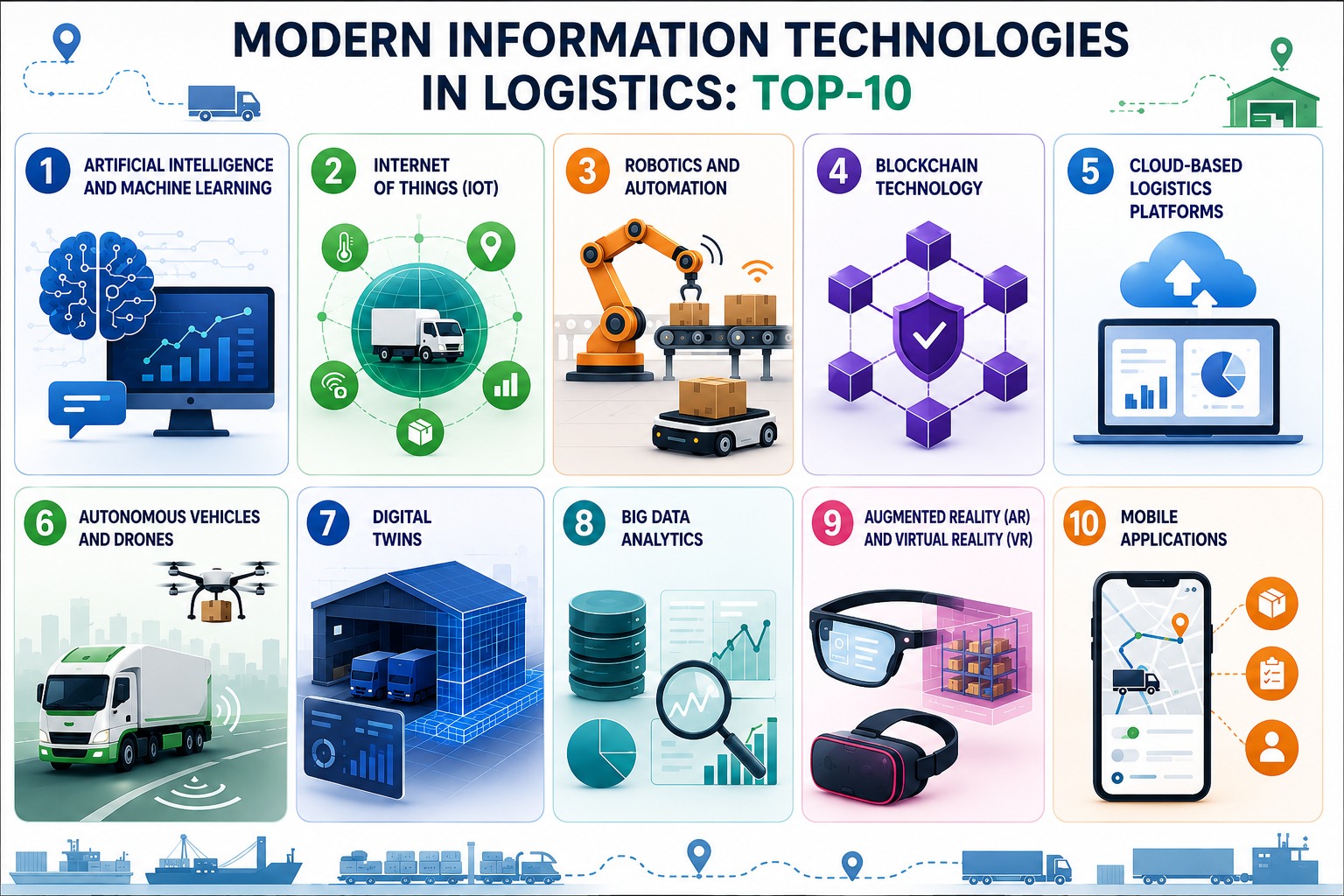
1. AI and machine learning
AI isn’t just a buzzword anymore — it’s basically running the show in modern logistics. It helps slash costs and takes the guesswork out of planning by predicting demand and finding the absolute fastest delivery routes. Plus, machine learning can spot shipping issues before they even happen, and smart chatbots are always ready to give customers instant, real-time updates on their orders.
2. Internet of things (IoT)
IoT devices have made supply chains incredibly transparent. By using smart sensors, you can connect your trucks, warehouses, and cargo into one unified system. These sensors keep a close eye on temperature, humidity, and location — which is a lifesaver for shipping sensitive goods. With billions of these devices active today, businesses can easily set up dashboards to watch their entire operation unfold in real time.
3. Robotics and automation
Modern warehouses are starting to look a lot like sci-fi movies. Robotic arms and self-driving warehouse bots handle the repetitive, boring tasks much faster and with way fewer mistakes than humans. Plus, handy mobile apps let teams manage and track these automated systems right from their phones.
4. Blockchain technology
Blockchain acts as a super-secure, unchangeable digital ledger for all your paperwork. By using “smart contracts,” you can automate agreements, cut down on tedious paperwork, and spot sketchy or fraudulent activity in an instant.
5. Cloud-based logistics platforms
Forget endless back-and-forth emails. Cloud platforms let everyone in the supply chain collaborate in real time, using the same data. They are highly scalable, budget-friendly, and easy to log into from anywhere in the world.
6. Autonomous Vehicles and Drones
Self-driving trucks and delivery drones are quickly becoming a normal part of the logistics landscape. They help lower shipping costs, speed up delivery times, and eliminate human error. Drones, in particular, are proving to be amazing for tackling tricky “last-mile” deliveries in busy cities or hard-to-reach spots.
7. Digital twins
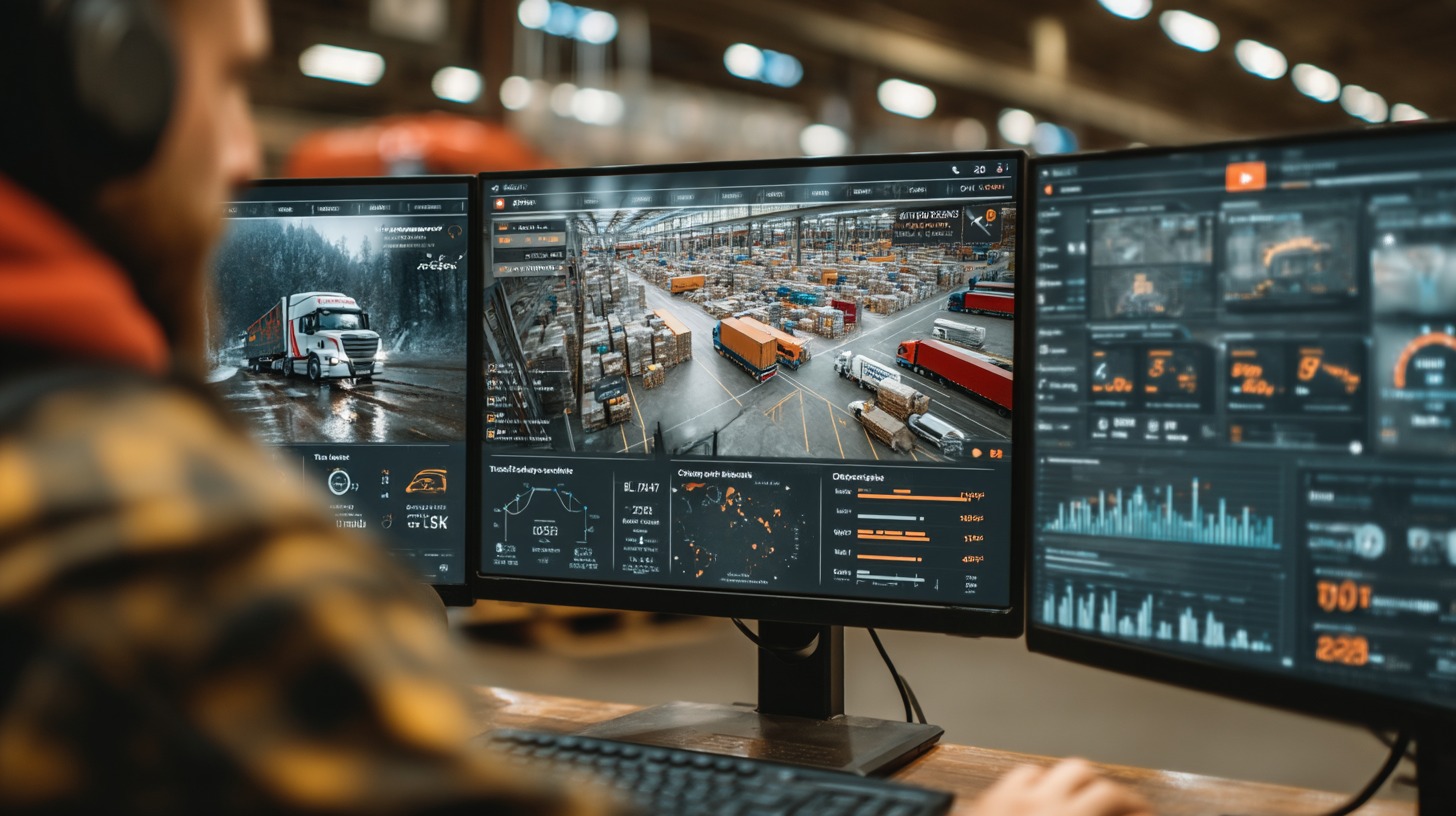
A digital twin is basically a virtual clone of your real-world warehouse, fleet, or supply chain. It acts like a simulator, letting you test out different layouts and “what-if” scenarios to optimize your operations without risking any disruption to your actual, day-to-day business.
8. Big data analytics
Your operations generate a mountain of information every single day. Big Data analytics sifts through all that noise to give you clear, useful insights. It helps you predict what customers will want, find bottlenecks in your shipping lines, save on fuel, and make smarter business decisions.
9. Augmented (AR) and virtual reality (VR)
Imagine warehouse workers wearing smart glasses that show them exactly which shelf to go to next — that’s AR in action, and it sky-rockets productivity while cutting down packing mistakes. On the training side, VR lets new hires practice in a safe, interactive virtual space before they ever step onto the actual warehouse floor.
10. Mobile applications
These days, you need to be able to run your business from anywhere. Mobile apps let drivers, managers, and customers track shipments, update inventory, and communicate in real time, all from the palm of their hand.