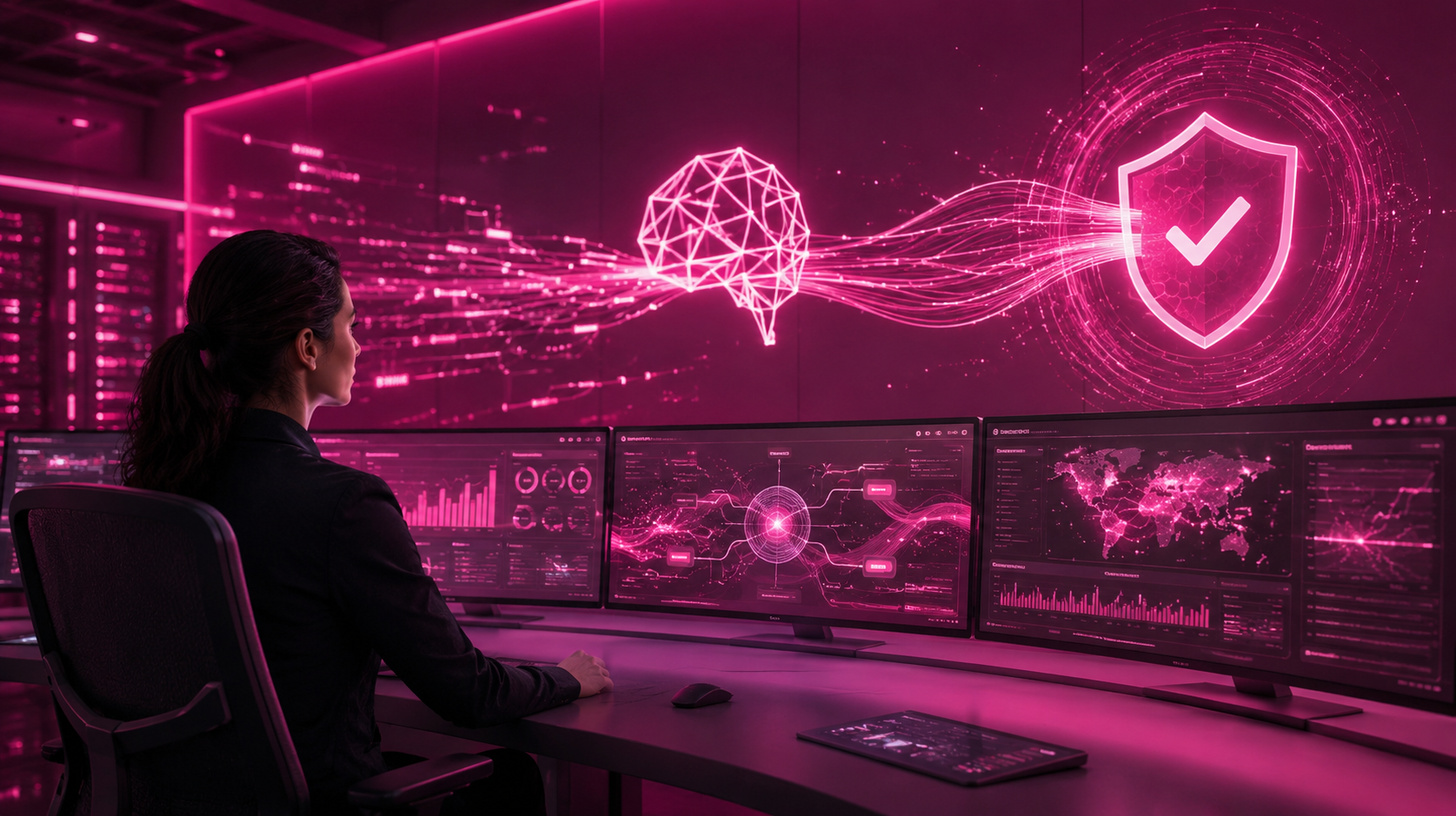
AI is changing outage prevention from a reactive task into a proactive engineering practice. Traditional monitoring often waits for a metric to cross a fixed threshold.
AI-based systems can look at several signals at once, learn normal behavior, and spot patterns that may point to trouble earlier — whether that means rising latency, an unusual error pattern, a regional spike in failed requests, or users suddenly checking for an outage in India.
The goal is not to predict every incident with certainty. It is to give engineering teams more time to investigate, confirm what is happening, and act before a minor issue becomes a wider service disruption.
Why AI helps prevent outages
Service failures rarely start with one obvious signal. A small rise in latency may appear with memory growth, slower database calls, unusual logs, or a recent deployment. Each signal may look harmless on its own. Together, they can show that a service is becoming unstable.
That early window matters. By the time users start checking whether a service is down, a technical issue may already be affecting real requests. Predictive AI gives engineering teams a chance to investigate the weaker signals that appear before a problem reaches that point.
AI can compare live telemetry with historical patterns, find unusual behavior, and rank risks by likely impact. This helps teams focus on the signals that matter instead of reacting to every alert.
What data AI needs
Good predictions depend on good observability data. Teams need consistent metrics, logs, traces, service metadata, and change data from deployments, configuration updates, and feature flags. SLOs and error budgets add context by showing when changes start to threaten reliability.
How predictive detection works
AI models first learn what normal behavior looks like. They can build dynamic baselines for latency, traffic, error rates, resource use, and queue depth. These baselines can account for repeating patterns, so they are more useful than a fixed threshold.
The system then watches for deviations. It may detect a gradual memory leak, an increase in p99 latency, a new log pattern, or a gap between request volume and processing capacity.
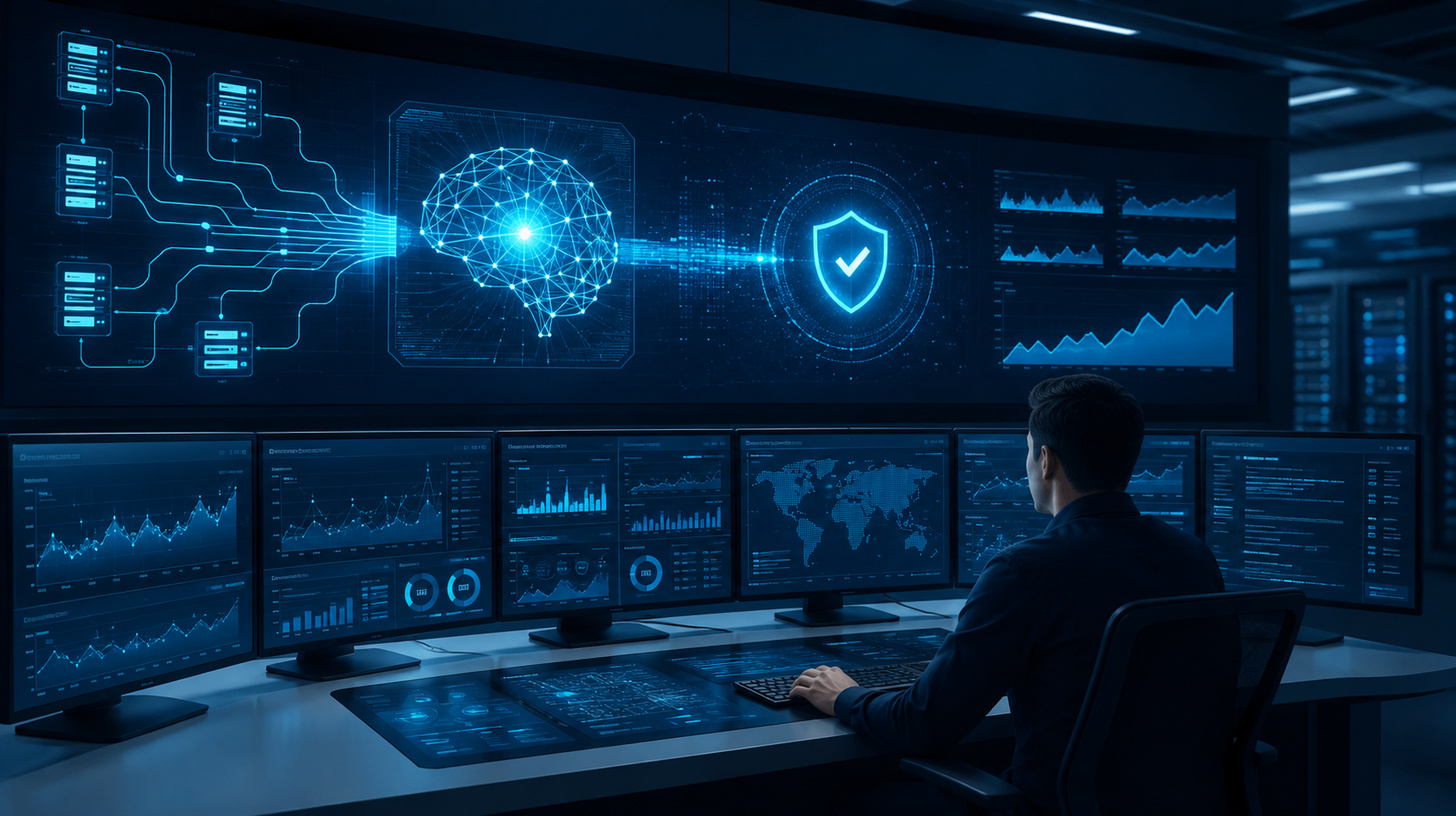
Next comes correlation. Instead of creating separate alerts for every symptom, AI can group related signals and connect them with recent changes. This can show that several warnings are part of the same developing incident.
From prediction to action
A warning is useful only if a team can act on it. Predictive detection should connect to incident workflows. A high-confidence signal can collect diagnostics, notify the right owner, start a runbook, or trigger a safe automated response.
Automation needs guardrails. Low-risk actions, such as scaling capacity or gathering debug data, can often run automatically. Higher-risk actions, such as a rollback or traffic shift, may require approval. This keeps humans in control while reducing repetitive work.
Where AI delivers the most value
AI works best when systems produce large volumes of telemetry and failures have recognizable patterns. It can help catch recurring incidents, capacity problems, slow degradation, dependency failures, and change-related regressions.
It can also reduce alert fatigue. Dynamic baselines and signal correlation filter transient or duplicate events, so on-call engineers receive fewer notifications with better context.
What teams should watch for
AI does not remove the need for SRE judgment. Poor data quality can weaken predictions. Models can drift as architecture and traffic patterns change. Automated actions can create risk if they are too broad or poorly tested.
Teams should measure false positives, false negatives, time gained before impact, and incidents prevented or reduced in severity. Engineers should also be able to see why a warning was raised.
How to get started
Start with one critical service and one clear failure pattern. Improve telemetry quality, connect deployment data, and run predictive alerts beside existing monitoring. Review warnings with engineers and use their feedback to tune the system.
Then add automation gradually. Begin with diagnostics and low-risk remediation before moving to more complex actions.
The biggest benefit of AI is not faster firefighting. It is fewer fires. When predictive detection, observability, SRE practices, and controlled automation work together, teams can find risk earlier, protect users, and build a more sustainable on-call culture.